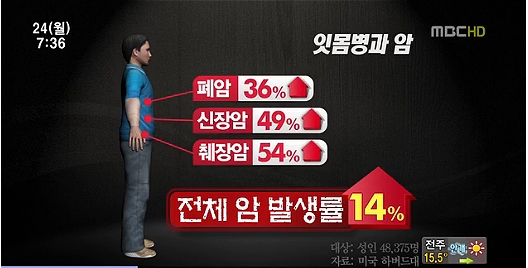
몇일전 TV 뉴스에 나왔던 이야기입니다. “잇몸병 오래 방치했다가 암/치매 일으킨다“ – SBS 뉴스 아무래도 치과 의사가 아닌 의사들은 이와 잇몸에 상대적으로 관심이 소홀할 수 밖에 없어서 제겐 저런 제목의 뉴스가 생소하고도 흥미롭게 다가왔습니다. 저도 참 궁금한 내용이 아닐수 없는데요, 그래서 한번 제가 알아봤습니다. 일단 연구 결과중에 높은 근거를 지닌 메타분석과 무작위 대조연구 만을 조사했습니다. 몇편의 관련된 연구들이 검색 되었습니다.
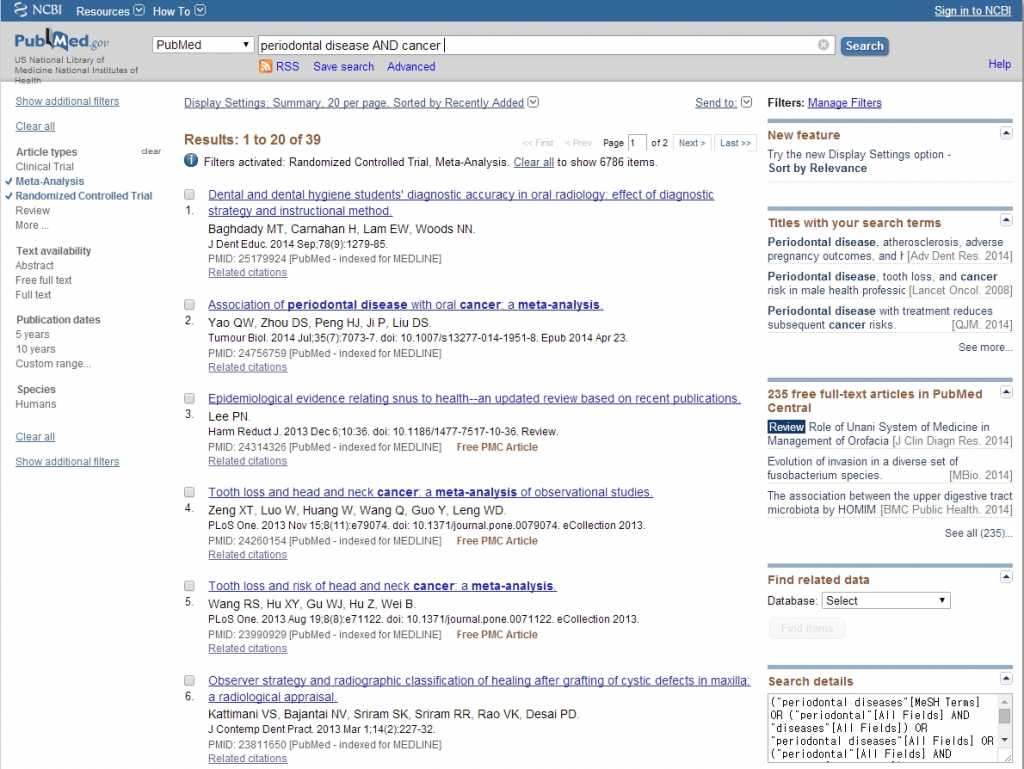 먼저 살펴볼 연구는 Tumor biology(IF : 2.84-> IF(피인용지수) 점수에 대해 궁금하시다면 제 블로그의 IF에 대한 글로)에 실린 연구 입니다. 연구지의 피인용지수는 높지 않지만 메타분석이기 때문에 의미가 있어 보입니다.
Association of periodontal disease with oral cancer: a meta-analysis.
Role of bacterial infections in pancreatic cancer.
Epidemiological data suggest that Helicobacter pylori may be a risk factor for pancreatic cancer, and more recently, data suggest that periodontal disease, and Porphyromonas gingivalis, a pathogen for periodontal disease, may also play a role in pancreaticcarcinogenesis. Individuals with periodontal disease have elevated markers of systemic inflammation, and oral bacteria can disseminate into the blood, stomach, heart and even reach the brain. These infections may contribute to the progression of pancreatic cancer by acting jointly with otherpancreatic cancer risk factors that impact the inflammation and immune response, such as smoking and obesity, and the ABO genetic variant, recently linked to pancreatic cancer through genome-wide association studies. 본문의 밑줄친 빨간색 문장을 보시면 잘 알려진 췌장암의 위험요소인 흡연, 만성췌장염, 비만, 당뇨 이외에도 “헬리코박터 파일로리와 잇몸병이 췌장암발생에 영향을 미칠 수도 있다” 라고 되어있습니다. 어디에도 확실하게 결론 내리는 말은 없네요. 그리고 이 연구 또한 환자들을 대상으로 한 연구도 아닌 리뷰형식의 연구입니다. 다른 문헌을 또 살펴보겠습니다. 유명한 Lancet지에 실린 연구입니다.
Periodontal disease, tooth loss, and cancer risk in male health professionals: a prospective cohort study.
FINDINGS: In the main analyses, 48 375 men with median follow-up of 17.7 years (1986 to Jan 31, 2004) were eligible after excluding participants diagnosed with cancer before 1986 (other than non-melanoma skin cancer, n=2076) and those with missing data on periodontal disease (n=1078). 5720 incident cancer cases were documented (excluding non-melanoma skin cancer and non-aggressive prostate cancer). The five most common cancers were colorectal (n=1043), melanoma of the skin (n=698), lung (n=678), bladder (n=543), and advanced prostate (n=541). After adjusting for known risk factors, including detailed smoking history and dietary factors, participants with a history of periodontal disease had an increased risk of total cancer (HR 1.14 [95% CI 1.07-1.22]) compared with those with no history of periodontal disease. By cancer site, significant associations for those with a history of periodontal disease were noted for lung (1.36 [1.15-1.60]), kidney (1.49 [1.12-1.97]), pancreas (1.54 [1.16-2.04]; findings previously published), and haematological cancers (1.30 [1.11-1.53]). Fewer teeth at baseline (0-16) was associated with an increase in risk of lungcancer (1.70 [1.37-2.11]) for those with 0-16 teeth versus those with 25-32 teeth. In never-smokers, periodontal disease was associated with significant increases in total (1.21 [1.06-1.39]) and haematological cancers (1.35 [1.01-1.81]). By contrast, no association was noted for lung cancer(0.96 [0.46-1.98]). INTERPRETATION: Periodontal disease was associated with a small, but significant, increase in overall cancer risk, which persisted in never-smokers. The associations recorded for lung cancer are probably because of residual confounding by smoking. The increased risks noted for haematological, kidney, and pancreatic cancers need confirmation, but suggest that periodontal disease might be a marker of a susceptible immune system or might directly affect cancer risk.
Oral disease in relation to future risk of dementia and cognitive decline: prospective cohort study based on the Action in Diabetes and Vascular Disease: Preterax and Diamicron Modified-Release Controlled Evaluation (ADVANCE) trial.
Oral infections and orofacial pain in Alzheimer’s disease: a case-control study.
Periodontal disease
Results of a follow-up study to the randomized Alzheimer’s Disease Anti-inflammatory Prevention Trial (ADAPT).
염증을 억제하기 위한 소염진통제의 복용이 알츠하이머병을 예방해 주지는 못했습니다. 이는 추가적 연구가 발표되기 까지 의학적 지식으로 받아들이기 어려운 부분입니다. 제가 이야기 하고 싶은 것은 연구 결과를 너무 결과에만 치우쳐 받아들이다 보면 조금 다른 방향으로 받아들일 수 있고 이를 대중이 그대로 받아들일 수도 있다는 것입니다. 몇몇 연구결과를 살펴 보았을 때 잇몸병이 잇몸암을 제외하고는 확실하게 다른 암을 유발시킨다고 말하기는 어렵다고 생각합니다.